The Cooperative Spirit of Newfoundland
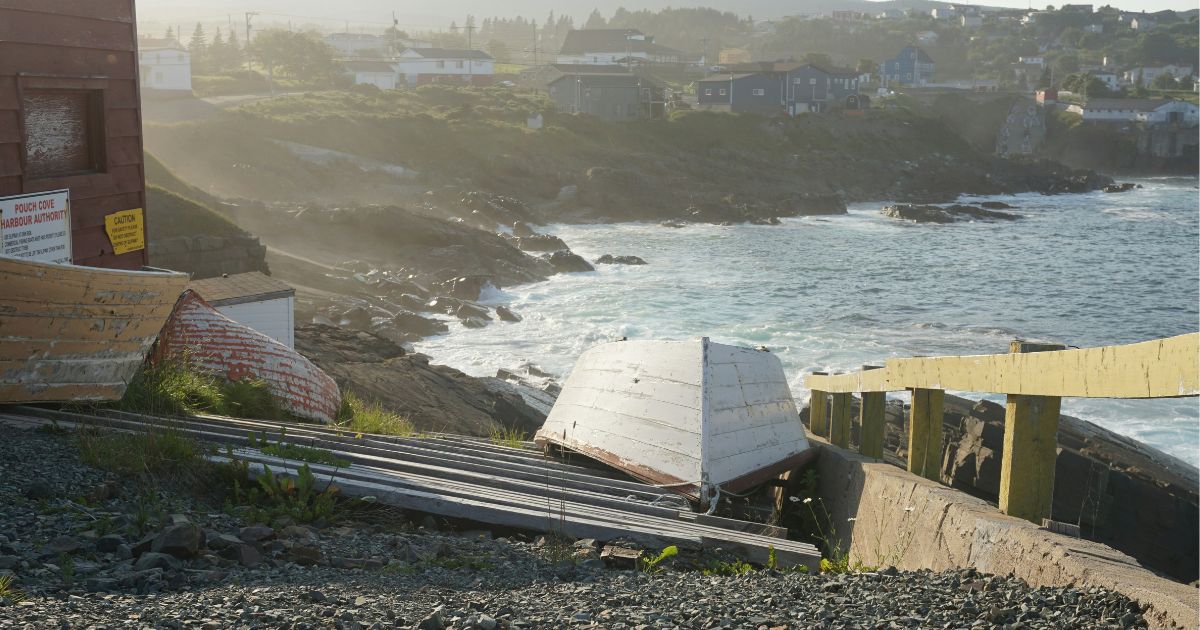
In Newfoundland and Labrador, cooperation isn’t new. It’s a way of life that’s been boldly shaping communities for generations. From the earliest fishing settlements to today’s cooperatives, the thread running through it all is simple: people do better when they do things together.
Where it all began
The first cooperatives here weren’t built on ideology, but rather on necessity. In isolated outports, neighbours shared tools, gardens, and labour just to get through the season. Mutual aid came long before it had a name.
By the early 1900s, this instinct evolved into organized efforts like the Fishermen’s Protective Union (FPU). That movement helped thousands of fishers band together to sell their catch and supplies on fairer terms. Over the decades, co-ops have spread across sectors, including farming, credit unions, crafts, and housing, each adhering to the same principle of shared ownership and local control.
Local examples abound, including our nearby Bell Island Coop Bakery (delicious!) and the Social Justice Co-operative NL, which works to address issues of social, economic, and political inequality at home and abroad. One of our Killick Ecovillage members is part of the Petty Harbour Fisherman’s Co-op, and if you find yourself down around Petty Harbour, keep an eye out for his boat, Finest Kind, tied up along the wharf. Another member is part of the Newfoundland Composting Cooperative, a resource station that supports communities interested in developing their own grassroots, small-scale composting sites.
The new generation of cooperative housing: Killick Ecovillage
Killick Ecovillage carries that cooperative DNA into the 21st century. As the first registered non-profit housing cooperative in Newfoundland and Labrador since the 1990s, we are far more than just a housing development. This is a community designed around shared values, sustainable living, and collective decision-making.
As a co-operative, Killick covillage isn’t owned by outside investors. The members are the owners. Together, we shape how the land is used, how resources are shared, and how the community grows. Decisions are made by consensus, keeping power local and transparent.
This cooperative model reflects what has always worked here in Newfoundland and Labrador: pooling resources, respecting the land, and building a community that looks after one another. It’s the same spirit that kept fishing villages alive – now reimagined.
Why cooperatives matter in Newfoundland & Labrador
As global markets, climate change, and economic uncertainty loom large, the cooperative tradition in Newfoundland & Labrador offers something important:
- It reminds us that economic activity doesn’t have to mean only “big” and top-down.
- It offers a model where social value and community wellbeing are built in, not just by-products.
- The cooperative formula is designed to align with local values and resilience.
In a world where housing often feels extractive and isolating, a co-op like Killick Ecovillage offers a more inclusive and supportive path. We are showing that home ownership can be tied to stewardship, not profit; that sustainability and community can coexist; and that the old Newfoundland tradition of looking out for your neighbours can still light the way forward.
The cooperative legacy continues
From the FPU to Killick Ecovillage, cooperation in Newfoundland has always been about survival and a sense of belonging. The form changes – fishing, farms, community shops or shared gardens – but the heart stays the same: when we work together, we thrive together.
Want to learn more about living at Killick Ecovillage? Anticipated move-in is Spring 2027. Join the waitlist to learn about our next online or in-person info session today!